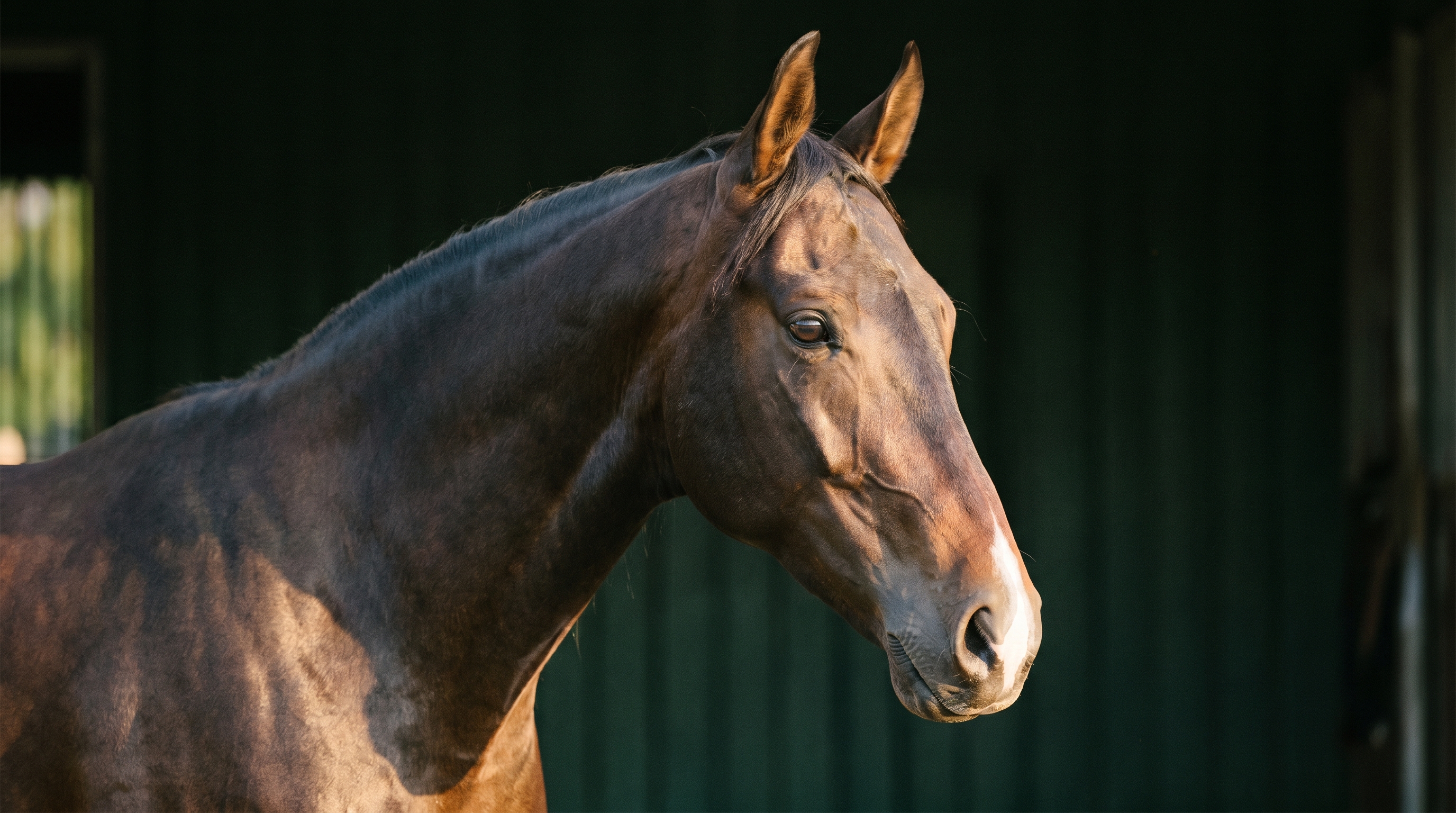
You've probably seen one without knowing its name. A horse floats across a show ring, neck held high, ears swiveling toward the crowd, looking like it's having a better time than anyone in the stands. That's almost certainly an American Saddlebred. People have called this breed the "Peacock of the Show Ring" for well over a century, and the first time you meet one up close, you stop wondering why.
This American Saddlebred breed guide is written for beginners and parents, not for breed historians. We specialize in the American Saddlebred here at Thunder Ridge Farms, so the plan is simple: where the breed came from, what one is actually like to stand next to, and why that nature makes it such a forgiving horse to learn on.
What is the American Saddlebred? A quick history
The American Saddlebred is one of the oldest horse breeds developed in the United States. It goes back to the colonial era, when farmers and plantation owners needed one horse that could do everything: carry a rider in comfort for hours, pull a carriage, work the land, and still look sharp enough to ride into town on.
So they bred for it. Sturdy early American stock crossed with refined Thoroughbred lines, and a few generations later you had a horse that was elegant and tough at the same time, with a smooth ride and a tall, upright presence. By the 1800s these were the horses people of the era wanted under them, prized for stamina and comfort over long distances.
The Saddlebred is best known as a show horse now, but the working heritage never left. What you're looking at is a horse bred to be useful and good-natured first, and beautiful second. Get the order right, because that's a big part of why the breed teaches beginners so well.
The famous gaits
One thing sets the Saddlebred apart: its gaits. That's just the horseman's word for the different ways a horse moves. Every horse walks, trots, and canters. Some Saddlebreds are bred to do two more on top of those, the slow gait and the rack, which are smooth four-beat movements that look effortless and feel even smoother to sit. A horse trained in all five is called "five-gaited."
Don't let any of that intimidate you. As a brand-new rider, you will not be racking around an arena on day one, or day ten. You'll start at a walk, the way everyone should. The gaits matter here for one reason only: they tell you how athletic and how trainable this breed is. A horse smart enough to learn five distinct gaits has more than enough patience for a nervous first-timer.
American Saddlebred temperament: why this breed is so people-loving
Ask anyone who works with Saddlebreds what they love about them. It's rarely the flashy neck or the high-stepping trot they mention first. It's the personality.
The American Saddlebred temperament is genuinely people-oriented. These horses are curious, alert, and interested in whoever walks through the barn door. Plenty of breeds tolerate humans. Saddlebreds tend to like them. Walk down our aisle and you'll get a row of heads turning to see who showed up, the way a dog comes to check the door.
A horse that wants to be near people is a horse that's easier and safer to learn on. With this breed, connection isn't a bonus. It's built in.
That sociability comes with brains. Saddlebreds are quick studies, which is exactly what you want in a lesson horse. A smart, willing horse picks up the rhythm of a beginner lesson fast, reads what the trainer is asking, and forgives the small mistakes every new rider makes, like an accidental tug on the reins or a wobbly first try at steering.
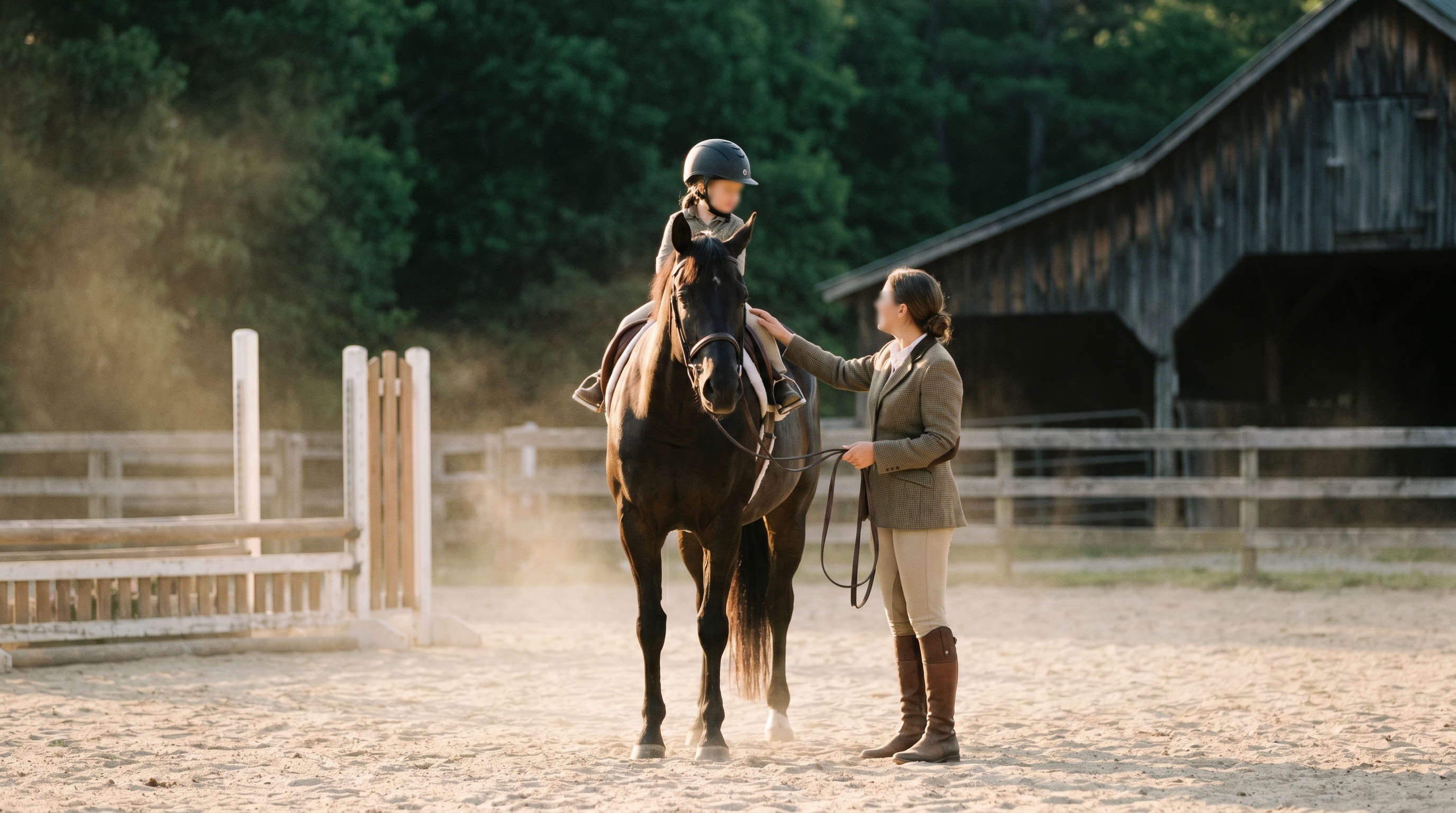
They're sensitive, too, in a good way. Saddlebreds respond to calm, clear handling and a soft voice. That's why our first lesson always starts on the ground, getting you comfortable around the horse before anyone climbs on. Stay calm and the horse stays calm, and you'll feel that loop start working in your favor within the first few minutes.
Are American Saddlebreds good for beginners and kids?
This is the question we hear most, so here's the honest answer. A well-trained, experienced Saddlebred can be an excellent horse for a beginner, kids included. But the breed name isn't the whole story. That's true of every breed that turns up on the usual list of good beginner horses. The training and the temperament of the individual horse matter just as much.
Here's what makes a good Saddlebred such a strong fit for someone starting out:
- They like people. A horse that's relaxed and friendly around humans is far less likely to tense up or spook with a hesitant new rider on board.
- They're patient when they're trained well. A seasoned lesson Saddlebred has carried a lot of first-timers. It knows the job, and a beginner's nerves don't rattle it.
- They're responsive without being pushy. Give a clear cue, get a clear answer. That kind of feedback helps a new rider learn faster and trust the horse sooner.
- They build confidence. A tall, elegant horse choosing to be gentle with you does something for a kid who was nervous in the parking lot ten minutes earlier. We see it every week.
None of that means you'd put a brand-new rider on a young, green show horse still figuring out its own job, no matter the breed. The skill is in the matching. We pair every first-time rider with a calm, well-trained horse suited to a beginner, and a trainer stays right beside you the whole time. Safety comes first, every lesson, no exceptions. If you want the full picture of how we protect new riders, we wrote a separate honest guide on whether horse riding is safe for beginners.
Saddle Seat and beyond: what Saddlebreds are bred to do
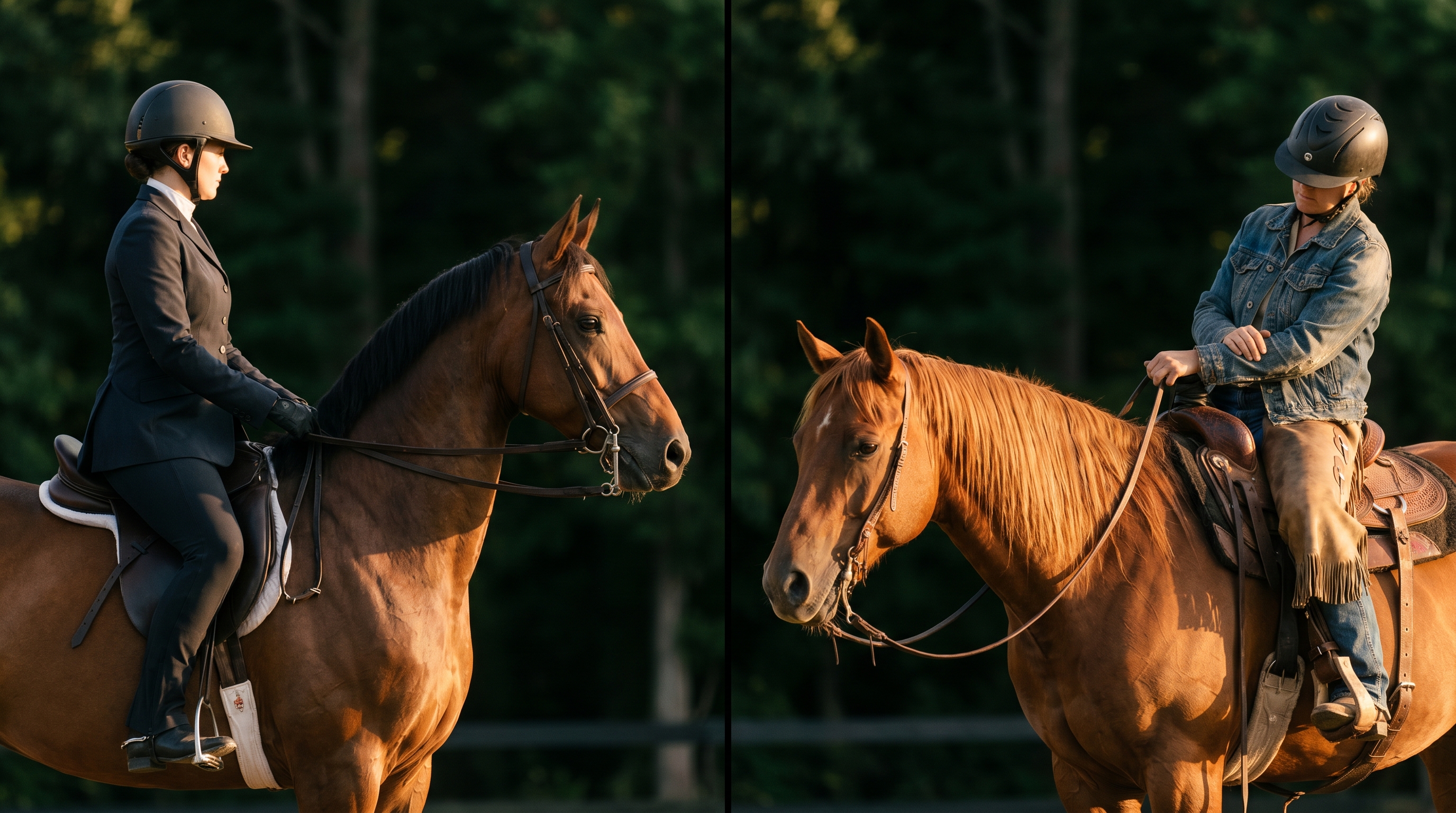
The American Saddlebred is most associated with a riding style called Saddle Seat. If you've seen photos of a rider sitting tall and upright on a high-headed horse in formal English-style tack, that's Saddle Seat. The discipline is built to show off the horse's natural elegance, animation, and presence, and the Saddlebred is the breed it was practically designed around.
But these are versatile horses. The same athleticism and trainability that make them shine in Saddle Seat let them do plenty of other jobs well. Here at the farm we teach both Saddle Seat and Western, and Saddlebreds take to both. We also offer driving lessons, where the horse pulls a light carriage instead of carrying a rider, which nods straight back to that old do-everything heritage.
If you're trying to decide which style to start with, don't overthink it. A first lesson is about getting comfortable on a horse, not picking a lifelong specialty. When you're ready to weigh the two, our breakdown of Saddle Seat vs. Western riding lays out the differences in plain language for someone choosing a first discipline.
Learning the breed from American Saddlebred specialists in NJ
Plenty of barns will let you ride a Saddlebred. Far fewer build the whole farm around the breed. That difference is the reason this post exists.
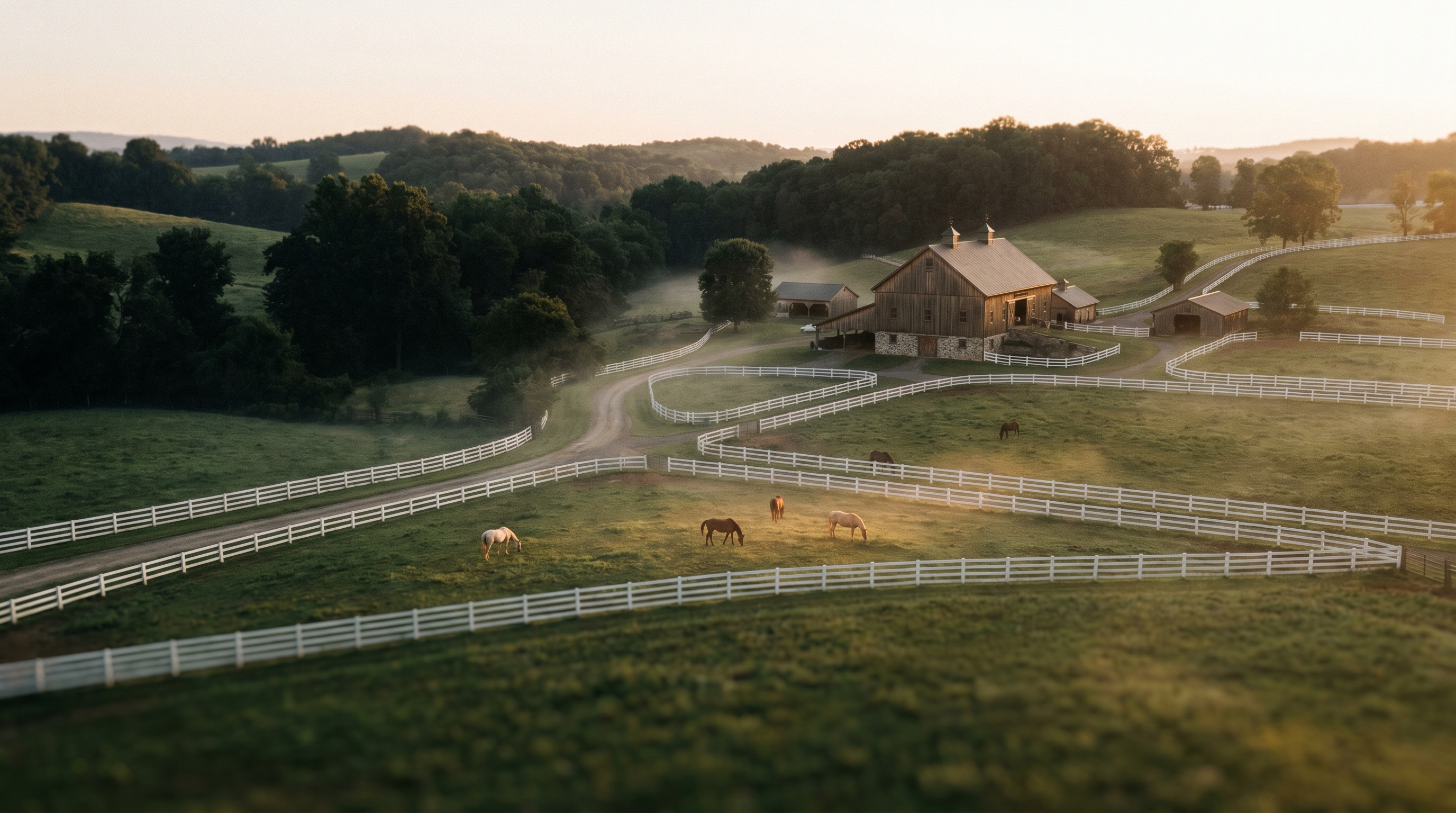
Thunder Ridge Farms specializes in the American Saddlebred. We don't keep a couple around for lessons and call it a day. We train them, show them, breed them, and sell them, with an active breeding program that has had newborn foals born right here on the farm. Watching a mare nuzzle her foal in the straw, then watching that same foal grow into a steady, confident lesson horse a few years on, is the kind of thing that only happens at a farm that knows the breed from the ground up.
For a beginner, that depth pays off in plain ways. When the people teaching your first lesson have raised, trained, and competed on the exact breed underneath you, they read the horse better, match you better, and explain what's happening better. You're not learning generic "horse." You're learning a specific breed from people who know it cold. If you've been searching for American Saddlebred riding lessons in NJ, that's a hard thing to find anywhere else around Warren County and the Lehigh Valley.
Want to know where we are and how lessons work? Start with our overview of horse riding lessons in Phillipsburg, NJ, which covers age, safety, what to expect, and how to begin.
Meet one in person: book a 30-minute trial lesson
You can read about the American Saddlebred all afternoon. The breed makes its real case when one of them turns its head, ambles over to the fence, and decides it likes you. That part is worth the drive.
The easiest way to meet a Saddlebred is our 30-minute trial lesson, a low-risk way to start for just $60. No experience needed, nothing to buy, no pressure to sign up for anything. You'll meet a calm, well-matched horse, learn the safety basics on the ground, and take a guided ride with a trainer beside you the whole time. If your kid has been begging to ride, this is the low-stakes way to find out whether it's a real fit.
We keep first-lesson spots limited each week so every new rider gets real one-on-one time with a trainer, and weekend slots tend to go first. When you're ready, book your 30-minute trial and come see why we built a whole farm around this breed.